Renovation and extension project management, designed to protect far more than it costs.
Client-side project management for homeowners: appointed by you, not the builder — reviewing quotations before anything is signed, running the job day to day, and keeping control of the budget and the programme from first drawings through to snagging.
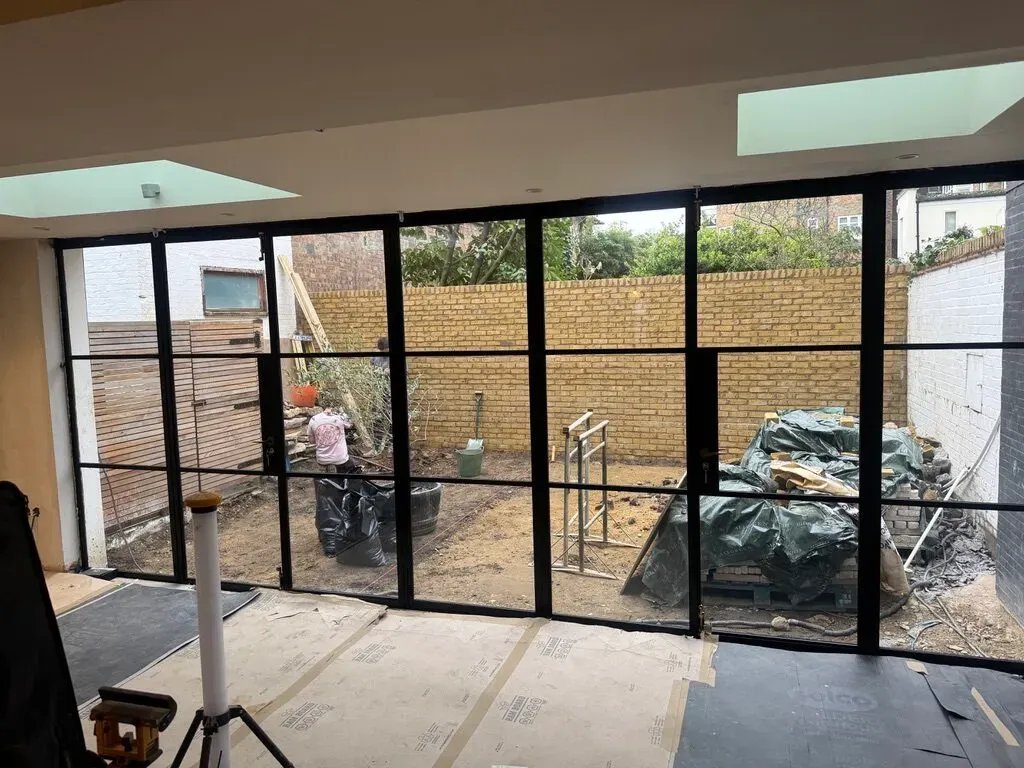
No two projects are the same.
Some homeowners want the full service — quotations reviewed before anything is signed, then day-to-day management right through to snagging. Others simply want the reassurance of having someone they trust on their side during the build, without the fees that come with asking an architect to do it. Most people sit somewhere in between.
So there is no fixed price list here. Tell me what you are building, where you have got to and how involved you would like me to be, and I am sure we can work something out. For the market picture, seehow project management fees work.
Where the money and the stress actually live.
Every project moves through the same sequence. Knowing what tends to go wrong at each point — and being on site when it does — is most of the job.
- 01
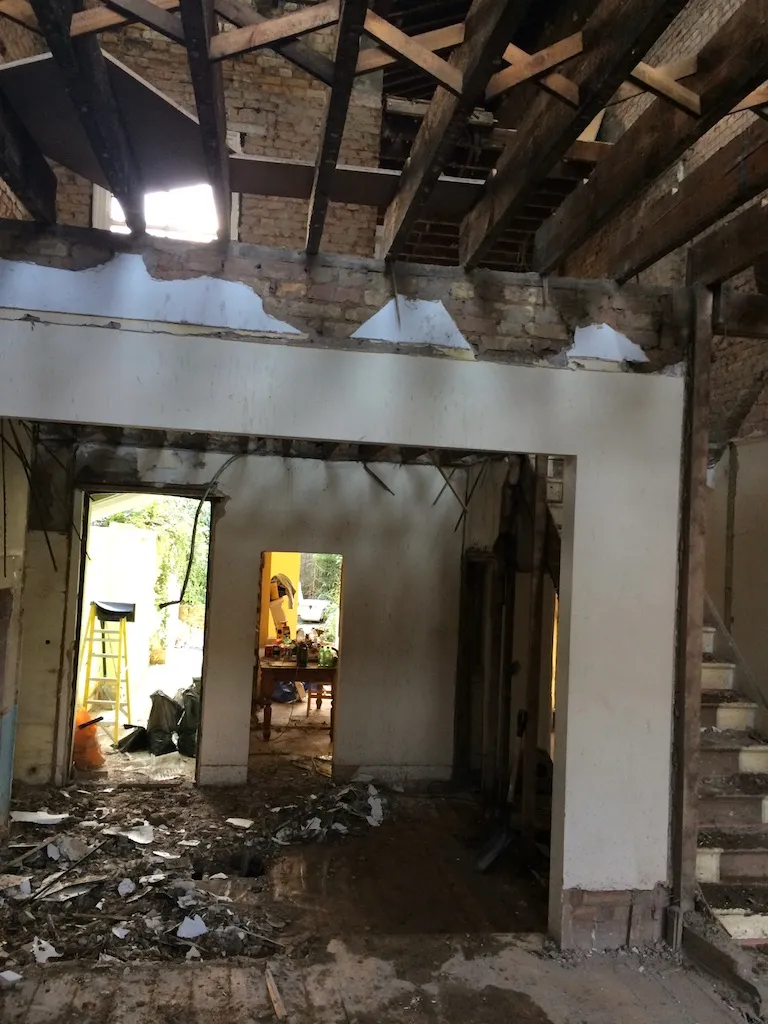
Strip out
The first week is when a house tells you what it has been hiding — old repairs, unexpected structure, drains nobody knew about. It is also the cheapest moment to change the plan.
- 02
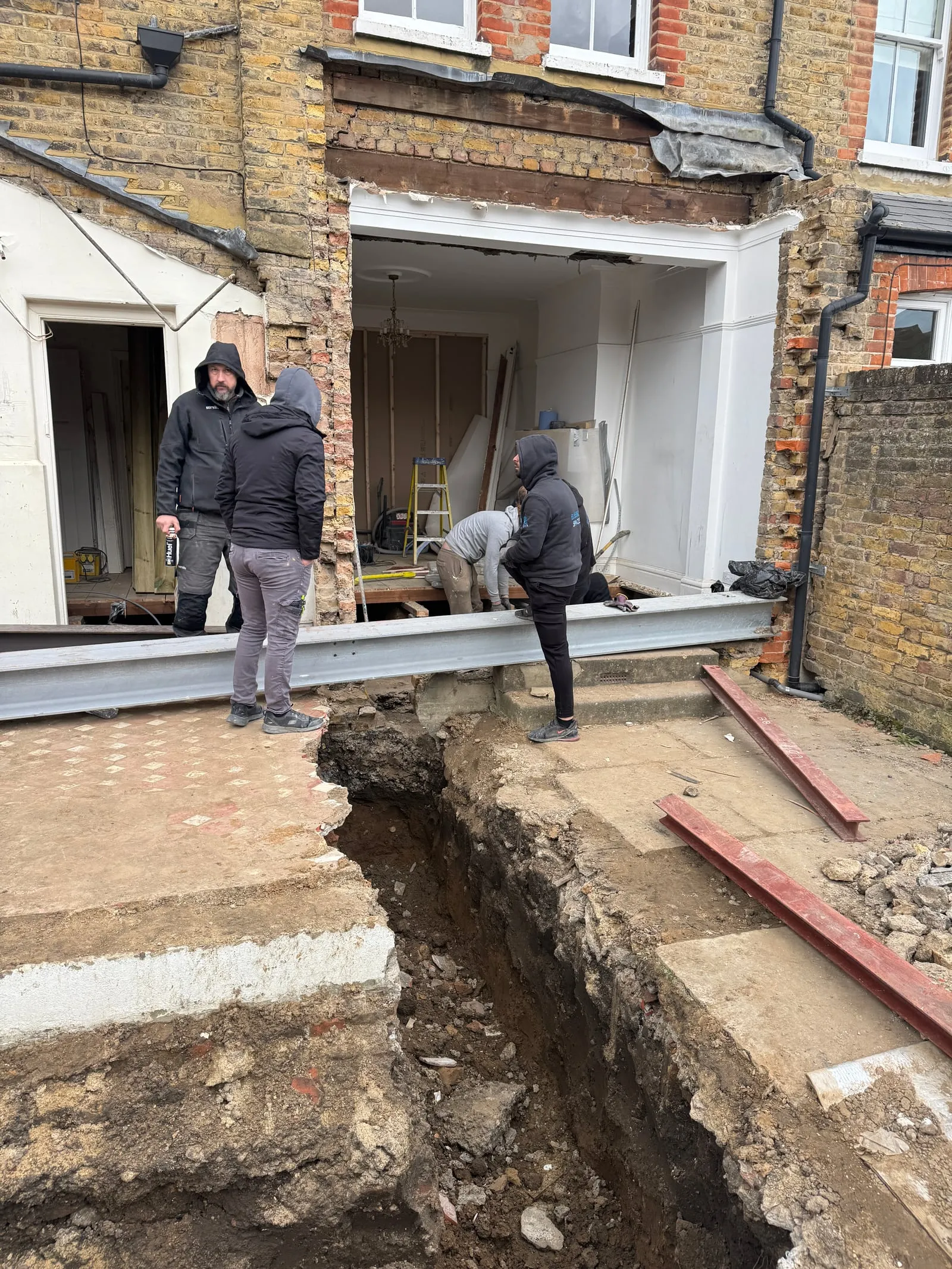
Groundworks
Foundations and underpinning are where budgets are most often lost. Victorian foundations are shallow by modern standards, and extra depth agreed on site without a price becomes an invoice later.
- 03
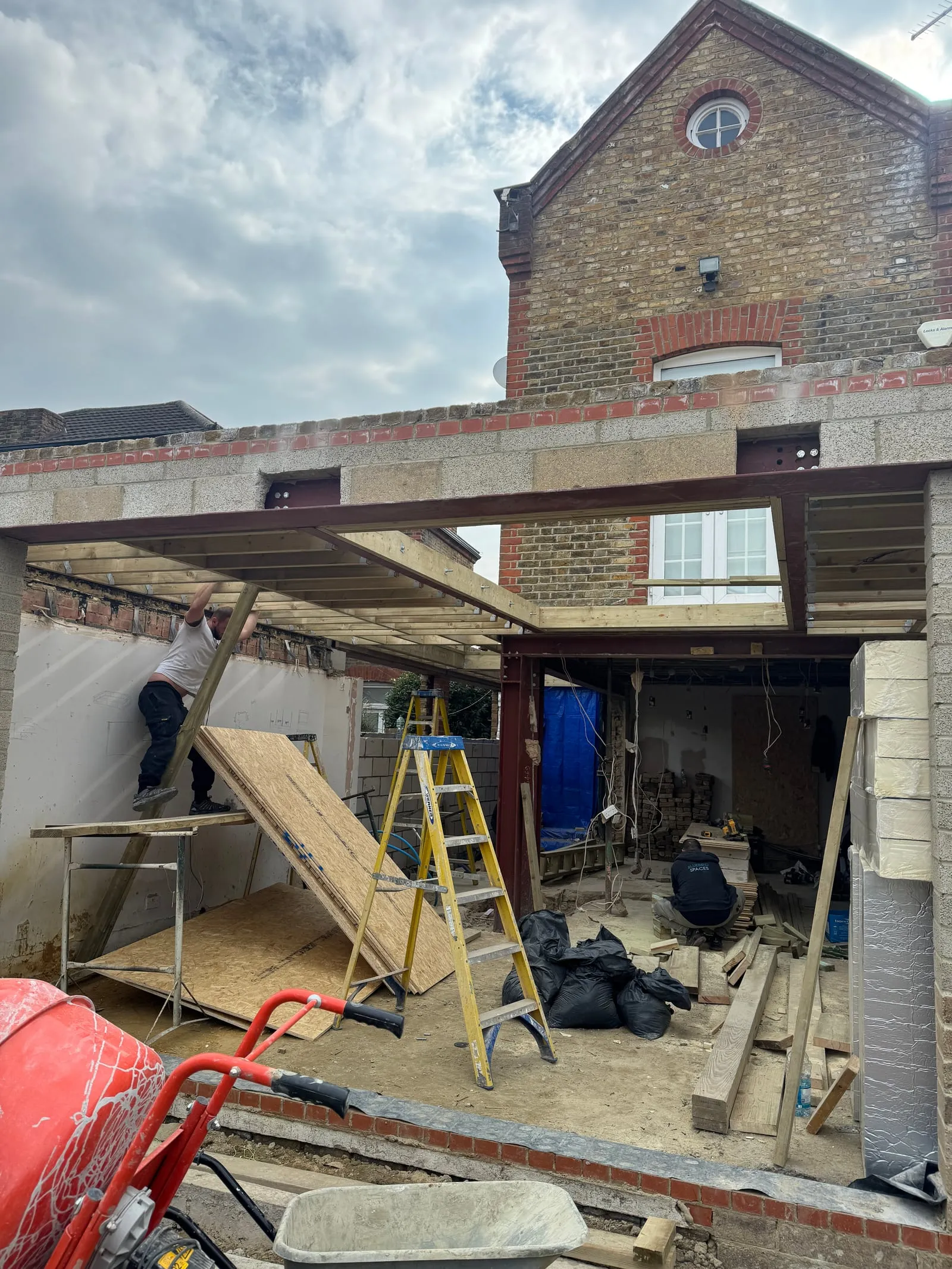
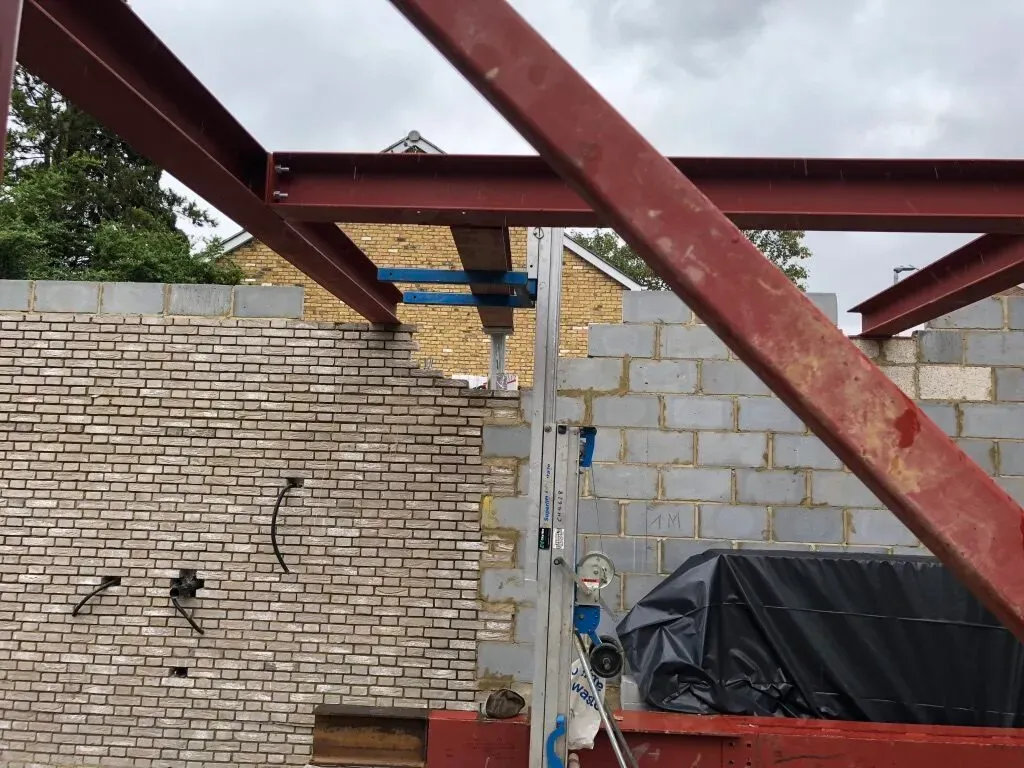
Structure
Steels, openings and the roof. Once this is in, changing your mind gets expensive — so this is the point to check what is being built still matches the drawings and the quote you signed.
- 04
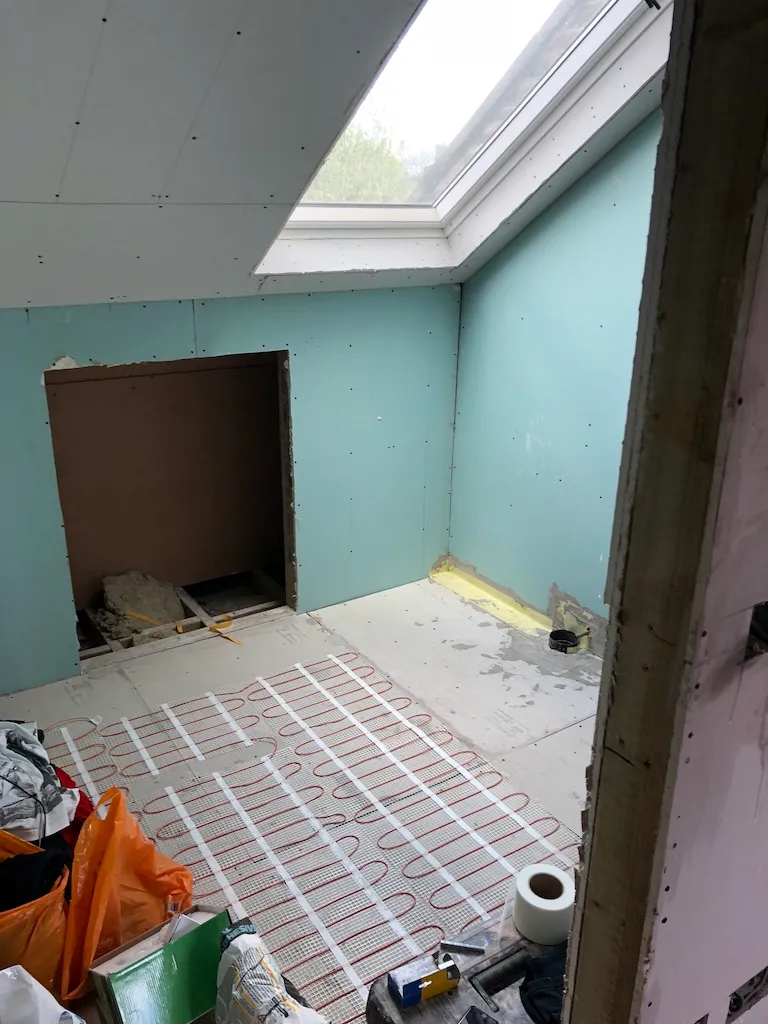
First fix
Wiring, pipework and heating — everything that disappears behind plasterboard. Sockets in the wrong place, and no provision for something you have not bought yet, are the regrets people live with.
- 05

Finishing
The last ten per cent takes the longest, and it is where a builder’s attention naturally drifts to the next job. A written snagging list, agreed and worked through, is what closes it out.
Where the fee pays for itself.
I'm price-sensitive on every line, and I can often buy materials at trade prices — a saving that alone can cover the cost of the service.
- Sourcing materials at trade prices, not retail
- Identifying omissions before a builder is appointed
- Questioning unclear or duplicated additional costs
- Avoiding rushed purchasing and expensive substitutions
- Preventing delays caused by late decisions
- Sense-checking payment requests against progress
The details that otherwise land with you.
- Builder enquiries and site communication
- Quotation, allowance and variation tracking
- Decision schedules and product selections
- Progress meetings and written action lists
- Payment-stage sense checks
- Snagging and completion coordination
Not the same as your builder’s project manager.
Many design-and-build packages and larger contractors include a “project manager” in the price. That person coordinates the build for the company that employs them. Useful for the programme — but they are not paid to challenge the quote, the variations or the commercial position of the firm they work for.
I am appointed by you and paid by you. No builder referral fee, no supplier commission, no incentive for the project to cost more. If that distinction does not matter for your job, you probably do not need me — and I will say so.
In scope
- Line-by-line quotation and allowance review
- Live budget, variation log and decision schedule
- Trade-price sourcing where it meaningfully saves
- Regular site attendance and builder liaison
- Payment-stage sense checks against progress
- Snagging and completion coordination
Not in scope
- Architectural design or planning drawings
- Structural engineering or calculations
- Quantity surveying or formal valuations
- Statutory approvals or CDM principal-designer duties
- Acting as the main contractor or employing trades
- Formal contract administration or certification
Clear professional boundaries
The service is independent client-side project management and practical construction guidance. Architectural design, structural engineering, quantity surveying, statutory approvals, CDM duties, formal contract administration and certification must be undertaken by appropriately qualified and separately appointed professionals where required. See the in-scope / not-in-scope list above for a scannable version.
Before you appoint anyone
Two free guides that sit alongside this page: the builder quote comparison checklistfor lining up tenders like-for-like, andwho does what on a SW London renovationfor the cast list (architect, engineer, party wall, building control, builder, client-side PM). Fees context is onwhat a project manager costs.
Not sure which level of support you need?
Tell me about your project — or send a builder’s quote — and I’ll suggest where to start. No charge for the initial conversation.
Discuss your project