How to Find a Good Builder in London
 By Ben Murrell, independent project manager in South West London. Ask me a question →
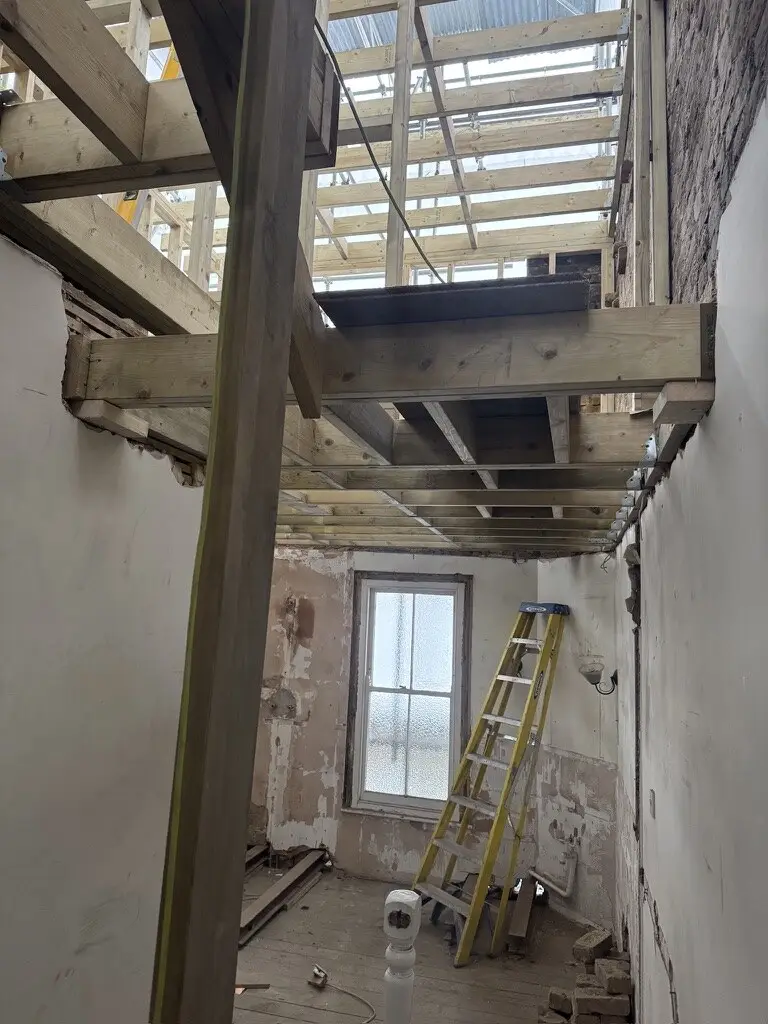
Before I worked for homeowners I ran a residential building company, so I have sat on the other side of this. Here is the uncomfortable truth: the best builders in London rarely need to advertise, they are usually booked months ahead, and they choose which jobs to price. Finding a good one is less about searching harder and more about running a process that good builders want to take part in.
This guide covers where good builders actually come from, how to get quotes you can compare, and what to check before you sign. It is written for homeowners planning an extension, loft conversion or renovation in South West, West and Central London, but most of it applies anywhere.
Where good builders actually come from
In rough order of how reliable I have found them:
- Neighbours who have done the same job on the same kind of house. Which? suggests looking beyond friends and family for people nearby whose house is from the same period and whose project was a similar size. On a street of Victorian terraces in Balham, Clapham or Fulham, the person three doors down with a finished side return is the best reference you will get. Ask to see the work, and ask how the builder handled problems, not just whether the kitchen looks nice.
- Your architect and structural engineer. They see builders at work all the time. Ask which builders they have seen finish well on recent jobs, and which ones they would not use again. The second answer is often more useful.
- Builders already working near you. A tidy site, a well-kept hoarding and a contractor's board on your street are worth a knock on the door, or a word with the homeowner.
- Trade bodies. The Federation of Master Builders says its members are inspected before they join and are credit and insurance checked. TrustMark is the government-endorsed quality scheme. Neither guarantees a good job, but both mean somebody has checked. Always verify membership on the body's own website rather than trusting a logo on a van.
- Directories and review sites. Checkatrade, MyBuilder and Which? Trusted Traders will give you names quickly, and reviews help. Treat them as a starting list, not a vetting process.
Ask everyone who introduces a builder whether they are paid for the introduction. Referral fees are common in the industry and not necessarily wrong, but you should know. I do not take them: I am paid by the homeowner only.
Get your information ready before you call anyone
Builders can only price what they can see. If you ring round with a rough idea, you will get rough numbers that cannot be compared and a lot of provisional sums.
Before you ask for quotes, have:
- Drawings: planning drawings at the least, Building Regulations drawings ideally.
- The structural engineer's design and calculations, so steels, padstones and foundations are priced rather than guessed. See do I need a structural engineer for my extension?
- A specification or schedule of works: what is included, to what standard, and who supplies what (kitchen, sanitaryware, flooring, glazing).
- Your planning and party wall position, so builders know what consents are in place. See party wall agreements explained.
Good builders are far more likely to price a job properly when the information is complete. It tells them you are serious, and it means the price they give you is a price, not a guess.
How many quotes, and how to run the tender
Both the FMB and Which? recommend at least three written quotes. For a London extension, three or four builders pricing an identical package is usually the right number. More than that tends to waste good builders' time, and the best ones may simply decline.
To make the quotes comparable:
- Send every builder the same documents and the same pricing format, ideally with the work broken into sections.
- Set one deadline and give enough time for a proper site visit.
- Answer questions to all of them, not just the one who asked.
- Ask for a programme and a payment schedule with the price, not just a total.
- Ask what is excluded. The exclusions list is often more revealing than the price.
When the quotes come back, line them up before you look at the totals. Scaffolding, skips, making good, drainage, building control fees, provisional sums and PC allowances are where like-for-like comparisons fall apart. The builder quote comparison checklist and how to compare builder quotes walk through it.
The cheapest quote is not automatically the best. Which? makes the same point. A quote that is well below the others is usually missing something, and you will pay for the missing part later as a variation.
To sense-check the numbers before quotes arrive, the extension cost calculator and loft conversion cost calculator give sourced London ranges (ex VAT).
The checks to run before you sign
Once you have a preferred builder, spend an hour on due diligence. I have written a full checklist in how to check a builder before you sign, but the essentials are:
- Companies House: the exact legal entity on the quote, filing history, and the directors' previous companies.
- Insurance: see the actual certificates for public liability and employers' liability, in the same name as the company quoting you.
- VAT: if VAT is charged, check the number on gov.uk.
- Registrations: Gas Safe for any gas work, and a registered competent person scheme or building control sign-off for notifiable electrical work.
- References you actually phone, and at least one finished or live job you can walk round.
Red flags I would walk away from
- Cash or VAT-free deals. Which? specifically warns about these.
- Pressure to sign or pay quickly. A good builder never pressures you into a decision.
- A vague, one-line price for a job that clearly needs itemising.
- A large payment up front that is not tied to genuine early costs such as materials or bespoke items.
- No written contract, or reluctance to use one.
- Different company names on the van, the quote and the contract, with no explanation.
Put it in writing
For anything the size of an extension or loft, use a written contract, not just an accepted quote. The JCT homeowner contracts and the FMB's plain English contract are both designed for this. Make sure it covers the price and what it includes, the programme, a payment schedule tied to progress, how variations are priced and agreed, and what happens with defects.
Which? quotes the FMB as saying it is reasonable to retain 2.5% for a three to six-month snagging period. Agree any retention in the contract before work starts, not at the end.
London-specific things to cover with your builder
- Access. Mid-terrace houses often have no side access, so everything comes through the house. Ask how they will protect floors and hallways.
- Parking and skips. Bay suspensions and skip permits come from the council, so ask who arranges and pays for them.
- Neighbours and party walls. Notices need to be served in good time, and an award may be needed before work starts.
- Conservation areas. In parts of Chelsea, Kensington, Fulham and Wandsworth, materials and details may be conditioned by the planning consent. The builder needs to price what was approved.
Where I fit in
Finding and appointing the builder is where I add the most value on most jobs. I prepare the tender package, put builders on the same scope, including ones I have seen deliver as well as any you have found yourself, read every quote line by line, run the checks and get a proper contract in place. Then I stay on your side through the build.
You can see how that worked on a Wimbledon kitchen and side extension, or read 12 questions to ask before hiring a renovation project manager. I cover Balham, Clapham, Fulham, Wandsworth, Earlsfield and the rest of South West, West and Central London.
If you already have quotes, send them over. The quote review is free. Get in touch or call 07525 474 849.
General guidance, correct as of October 2026. Registers, schemes and regulations change. Always check the current position.
Common questions
How do I find a reliable builder in London? Start with neighbours who have had similar work done on the same type of house, then ask your architect and structural engineer who they have seen deliver. Check trade body membership on the body's own site, get at least three written quotes on the same drawings, and run company, insurance and reference checks before you sign.
How many builder quotes should I get? At least three, which is what both the FMB and Which? recommend. Three or four on an identical package is usually right for a London extension. More than that rarely helps and can put the best builders off pricing.
Should I choose the cheapest builder's quote? Not on price alone. Line the quotes up item by item first. The cheapest is often missing scope, such as drainage, making good or realistic provisional sums, which comes back later as variations.
Do I need drawings before getting builder quotes? For anything structural, yes. Without drawings, engineer's calculations and a specification, quotes are guesses full of provisional sums and cannot be compared. A good builder will price more carefully when the information is complete.
Are Checkatrade or MyBuilder builders vetted? Platforms run their own checks and show customer reviews, which is a useful start. They do not replace your own checks: Companies House, insurance certificates in the right name, references you phone and a visit to recent work.
How much deposit should I pay a builder? Keep any upfront payment small and tied to genuine early costs such as materials or bespoke items, and write the payment schedule into the contract. Pay later stages against completed work, and agree any retention for snagging before you start.